The Association
Overview of the Organization
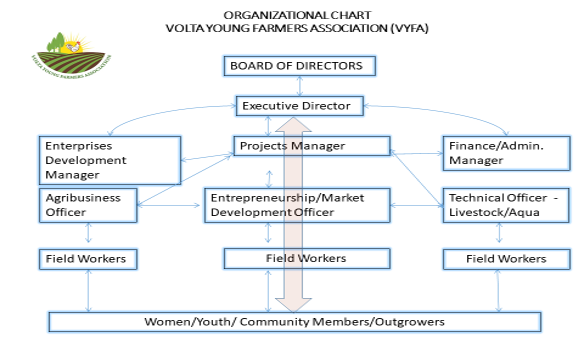
The VOLTA YOUNG FARMERS ASSOCIATION is a legally registered entity in Ghana. The Association is managed by a Board which is the supreme organ of the Association. On a day to day basis, the Association is managed by a team led by the Executive Director. The association has statutes and by-laws that provide guidance to its operations. The Management Plan/Organogram clearly defines the duties and responsibilities of each individual.
There are internal control mechanisms in place to ensure that the business of the Association is carried out in an orderly and efficient manner in adherence to management policies. The measures ensure that (i) resources are protected against waste and inefficiencies; (ii) Accounting systems are accurate and reliable. The accounts/finance officer is held responsible for: regularity and propriety of transactions, keeping proper accounts, prudent and economic administration, and the avoidance of waste and the efficient use of resources. The Association has a dedicated bank account for its operations. All transactions are verified by two designated officers.
There is an “open” culture to encourage members at all levels to draw attention to non-compliance or irregularities.
ORGANOGRAM
Core Values
- Relationships: Smallholder agriculture is a people enterprise. The Association strives to connect small farmers in the communities to share knowledge and resources and grow together. Therefore, we encourage partnership, volunteerism, and mentorship among the stakeholders along the value chain.
- Training & Development: Agriculture is constantly evolving, and we want to meet the challenges of a changing world by promoting continuous education and training to build on our talents and develop new skills in the best use of available resources among the members of our communities.
- Environment: The ability to feed the future is vested in the proper conservation of the land and environment we are living in today. Biodiversity Conservation measures are a core part of our agriculture practices.
Services
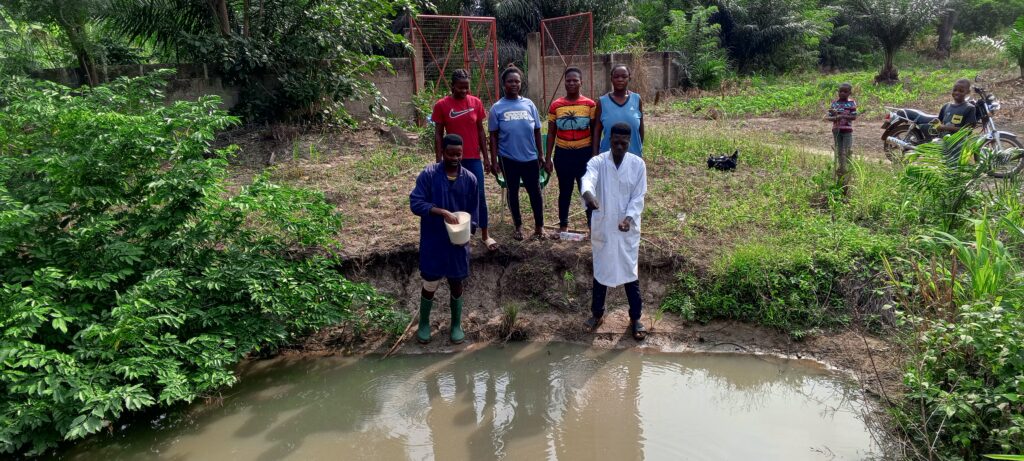
The Association supports young farmers in the areas of (i) crop production (ii) aquaculture (iii) livestock farming (iv) project management (v) Conservation, Agro-ecology and climate-smart agricultural farming
Projects Completed
The VYFA has successfully implemented some of the following projects over the last few years:
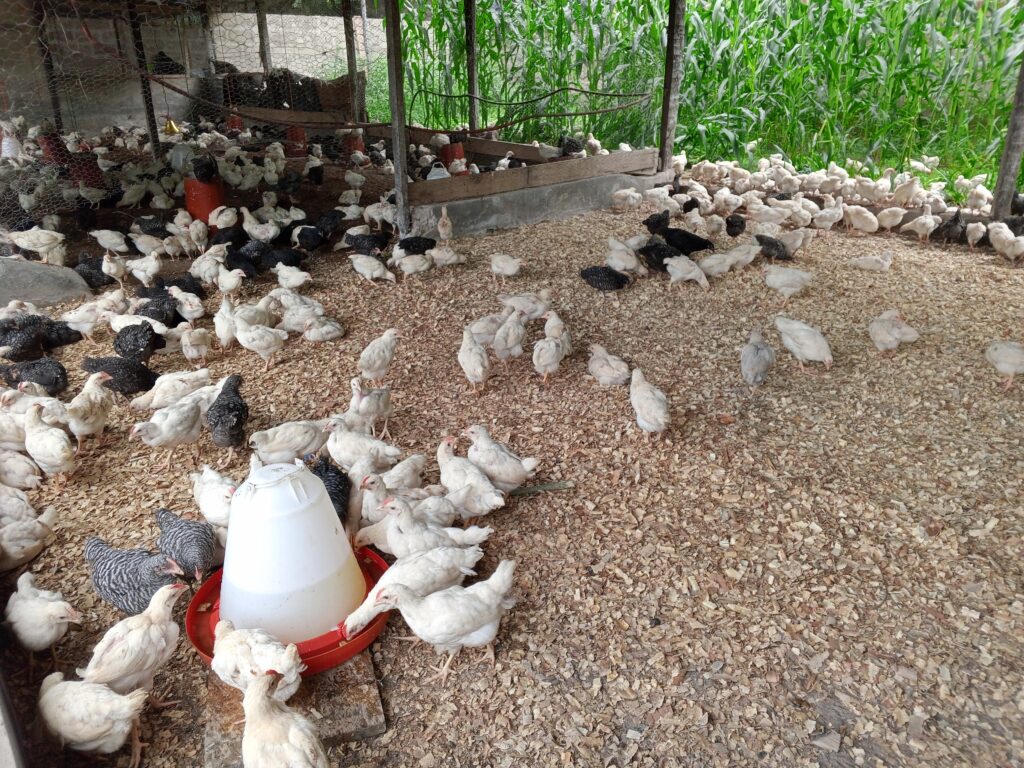
1. Economic Empowerment of Rural Youth through Indigenous and Modern Poultry Development.
Summary:
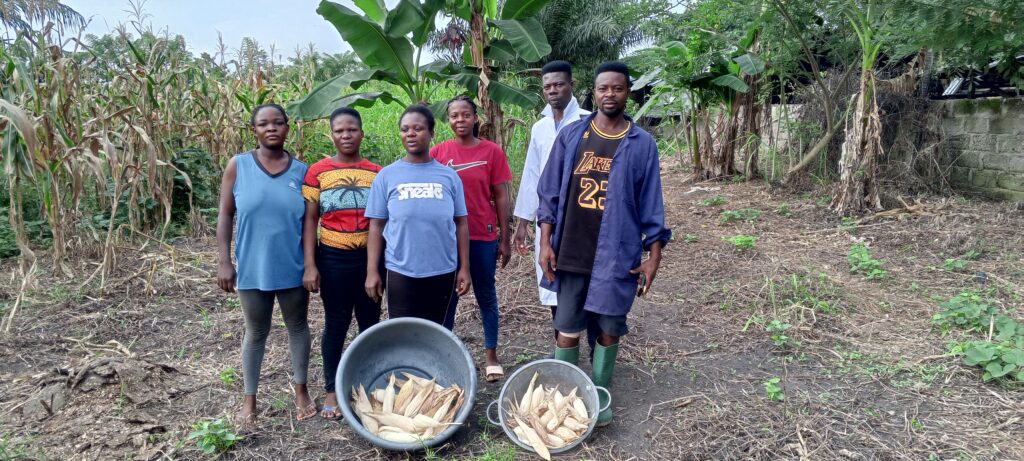
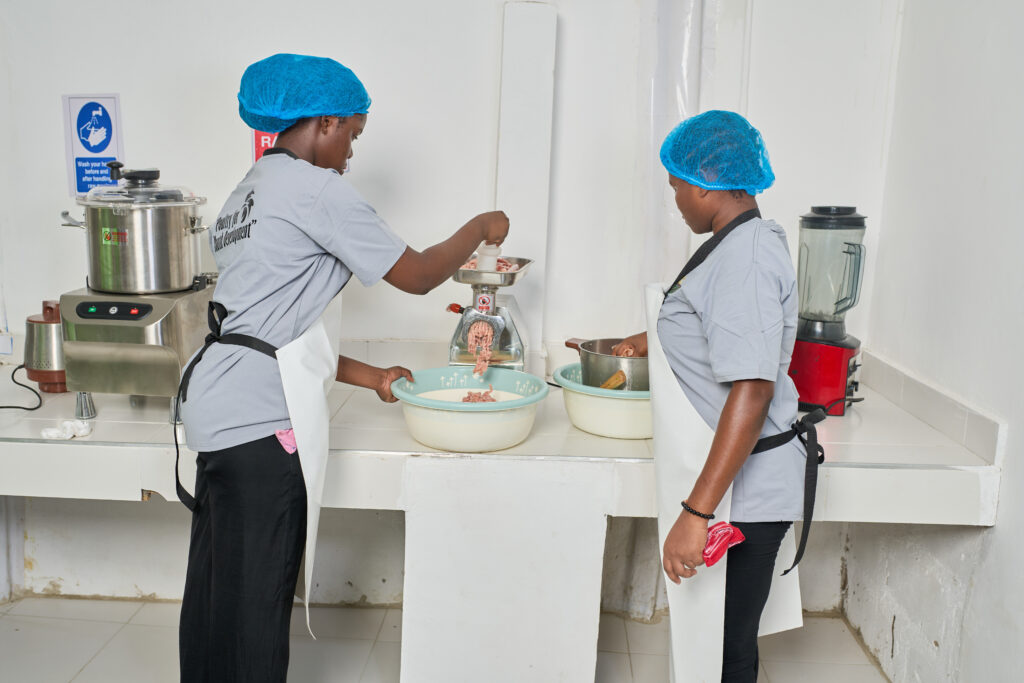
The project aimed to sustainably improve the economic situations of rural youth in targeted communities in the Volta Region of Ghana through the vehicle of indigenous & modern poultry development. It trained rural youth in poultry agribusiness entrepreneurship and created a number of specific youth-led enterprises – egg and meat production, poultry feed production, day old chick production, maize production.
Funding/Partners
- The Indigenous Peoples Assistance Facility (IPAF) of the UN International Fund for Agricultural Development (IFAD)
- Samburu Women Trust (SWT)
- PAWANKA FUND
2. Eco-friendly Soil Health Improvement using Black Soldier Fly (BSF) and Indigenous Micro-organisms
Summary
The objective of the project was to promote eco-friendly ways of improving soil fertility (through BSF – black soldier flies) thereby increasing crop yields, incomes and food security of the communities involved. Specifically, the project trained and equipped community members with the skills in how to produce organic fertilizers using Black Soldier Fly and Indigenous Micro-organisms (IMO) and their application to improve crop yields.
Funding/Partners
- RE!Granting
- Re-Earth Initiative
3. Smallholder post-harvest innovations projects
Summary
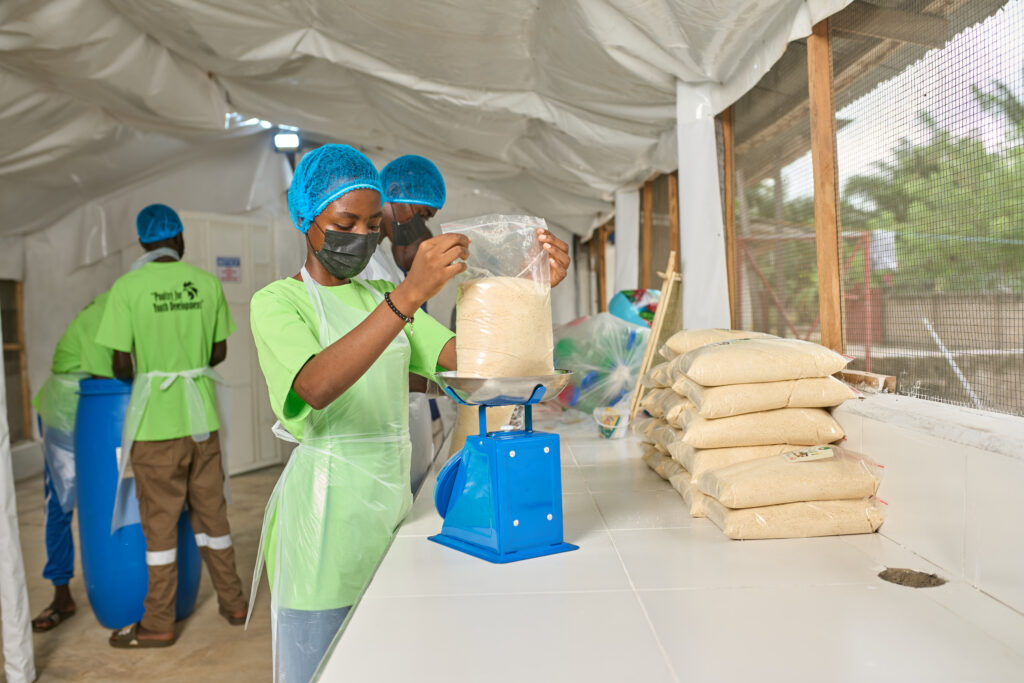
The project supported farmers in 3 communities to tackle the problem of food losses and waste. Farmers were trained in proper drying methods, quality and safety measures and in storage technologies such as use of hermetic bags for grain storage.
Funding/Partners
- Akpini Women Development Group
- GrisPro Limited
4. Empowering indigenous Youth with climate-smart agricultural innovations to transform local food systems and their livelihoods
Summary
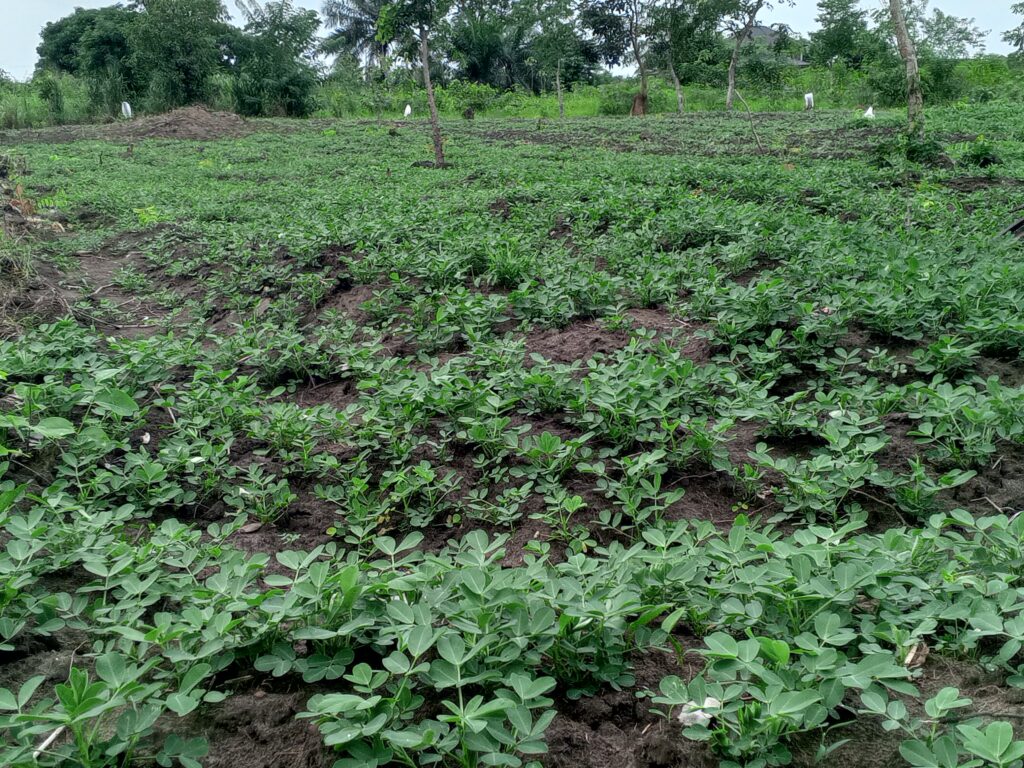
The main goal of the project was to provide practical, sustainable solutions for building climate resilient indigenous food systems in the face of climate change. By integrating climate-smart agricultural practices and technologies with capacity-building initiatives, the project sought to empower indigenous youth, women/men to improve their agricultural productivity and enhance food security.
Funding/Partners
- PAWANKA FUND
- Samburu Women Trust (SWT)